Discreet appearance
Transparent trays are less visually prominent than traditional metal brackets.

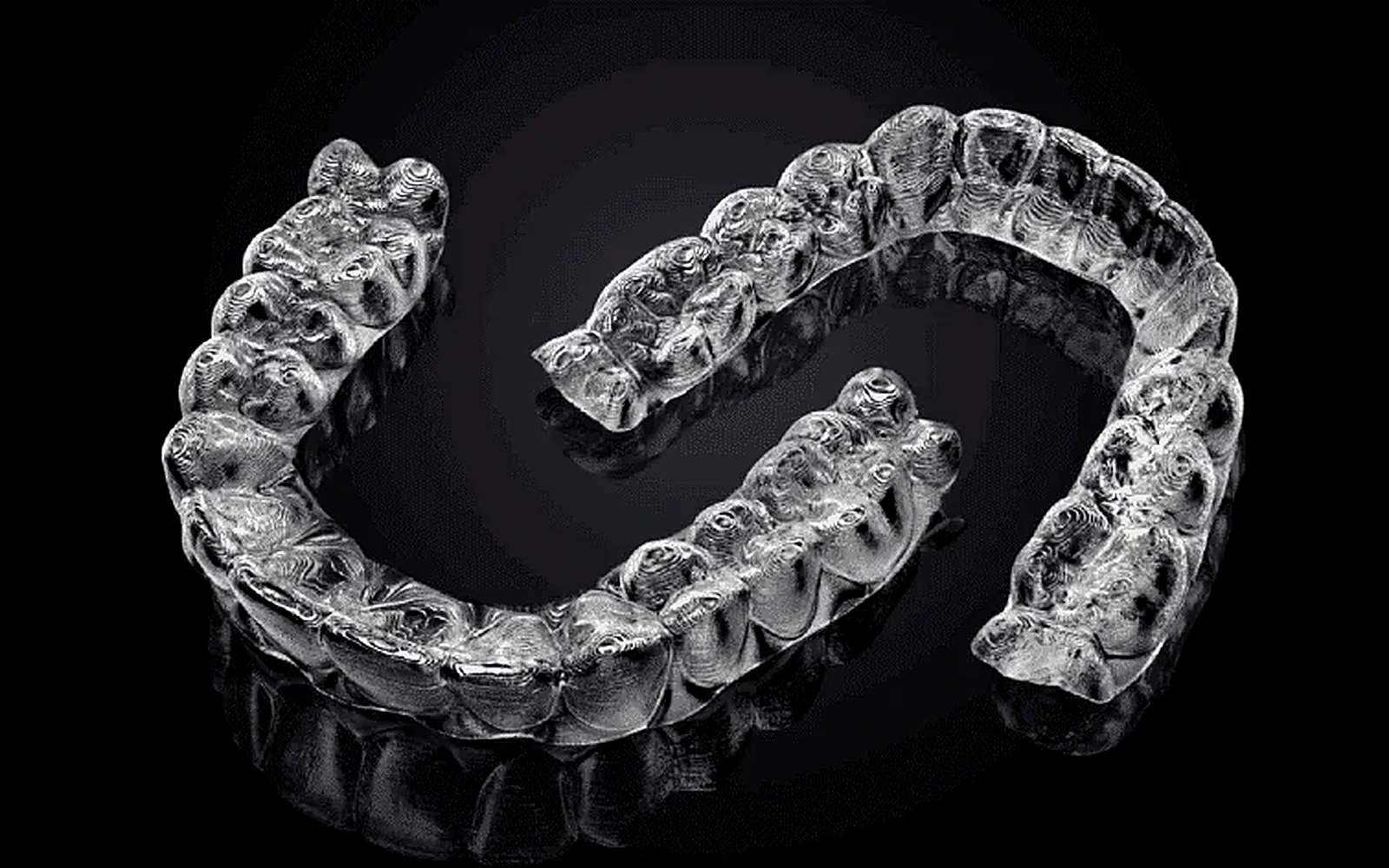
Clear aligners use a sequence of transparent trays to guide selected teeth towards planned positions. Every case begins with an orthodontic assessment.
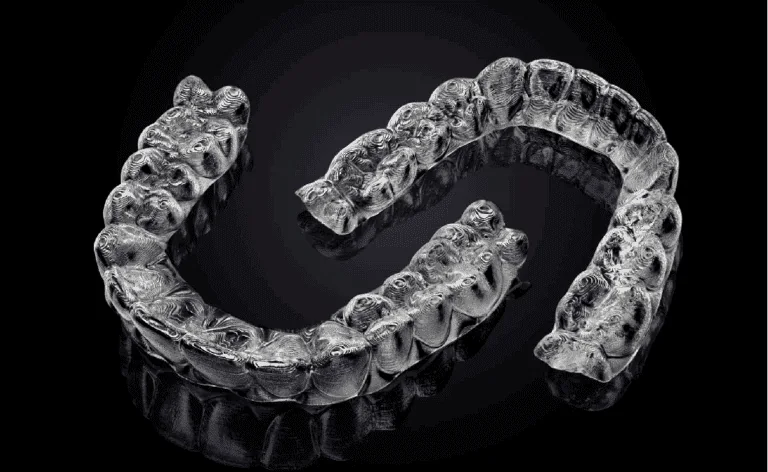
Unlike fixed braces, clear aligners can be removed for meals, brushing and flossing. They must still be worn consistently for the prescribed daily duration to support progress.
Benefits vary between individuals and depend on following the treatment instructions carefully.
Transparent trays are less visually prominent than traditional metal brackets.
Aligners can be removed for eating, drinking and routine oral hygiene.
A sequence of stages is planned and monitored throughout active treatment.
Scheduled checks help assess fit, movement and the need for adjustments.
The exact protocol depends on the individual case and the aligner system used.
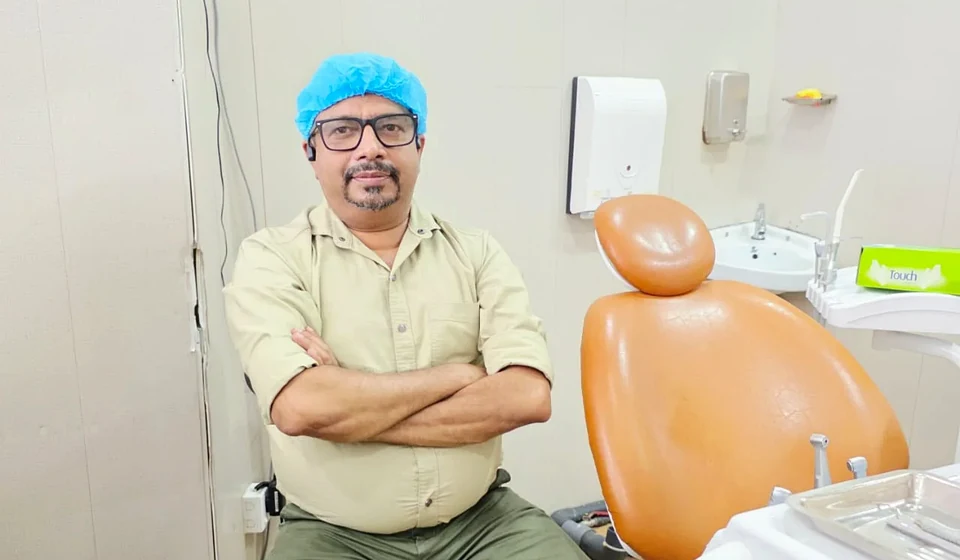
Evaluate tooth alignment, bite, gums and overall oral health.
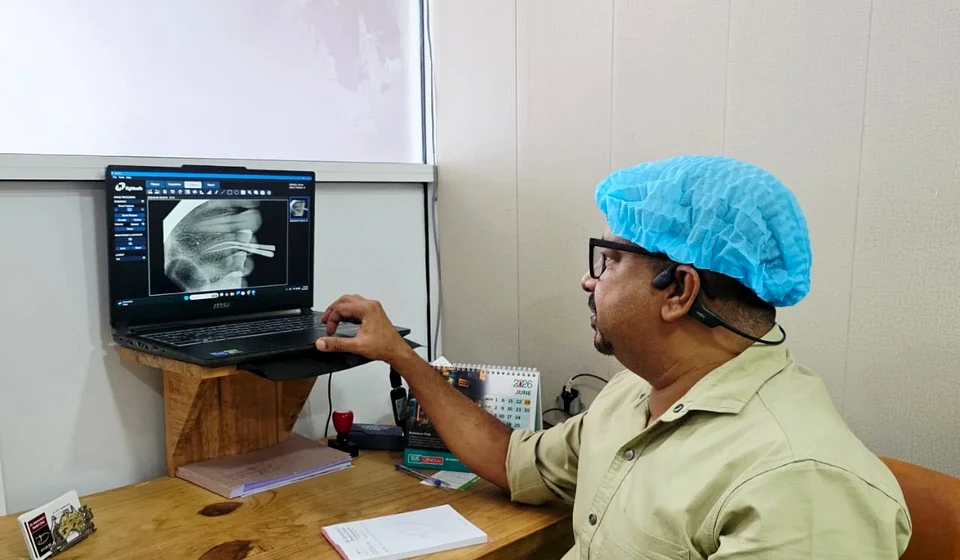
Collect the clinical information needed to develop a proposed tooth-movement plan.
Review expected outcomes, limitations, responsibilities and treatment duration.
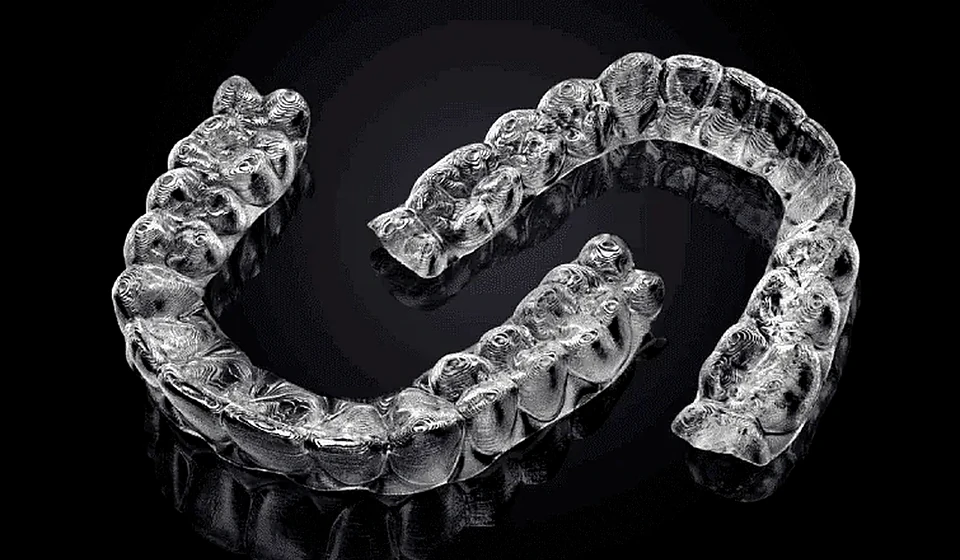
Receive the first trays and instructions on insertion, removal, cleaning and wear.
Attend follow-up appointments and move through the tray sequence as directed.
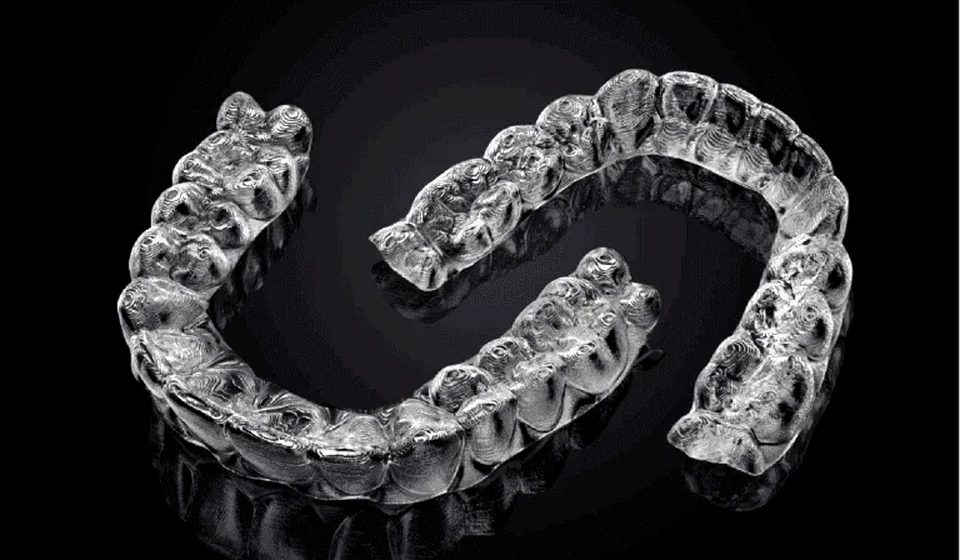
Use retainers after active treatment to help maintain the corrected positions.
They are transparent and discreet, but they may still be visible at close range. Small tooth-coloured attachments may also be required in some cases.
Duration depends on the amount and complexity of movement, treatment response and wear compliance. A personalised estimate is discussed after assessment and planning.
Aligners are generally removed for meals. Follow the specific instructions provided for your case and clean your teeth before reinserting them.
Retention is commonly required after orthodontic treatment because teeth can shift over time. The recommended retainer plan will be discussed with you.
An orthodontic examination is needed. The doctor will assess your alignment, bite, dental health and the type of movement required.
Arrange an assessment to discuss tooth alignment, bite and suitable orthodontic options.